
I don’t follow trends in sailing. I create them. Allow me to explain.
I began sailing in Alaska in 1990. The trend of high-latitude sailing has taken off in the past 10-20 years, with more sailors purchasing aluminum-hulled boats and manufacturers making customized aluminum boats that are up to the challenges of cold weather, cold waters, logs and icebergs, large amounts of rain and snow at times, marine mammals, blistering winds, and heavy seas with typically short period waves. Our water temps average about 40°f/4.5°c, so modern boats must have robust COB equipment, necessitating the use of immersion suits (required for commercial fishing vessels), and self-inflating life rafts, as well as PLB’s that can be attached to self-inflating PFD’s. Especially important for nighttime passage making.
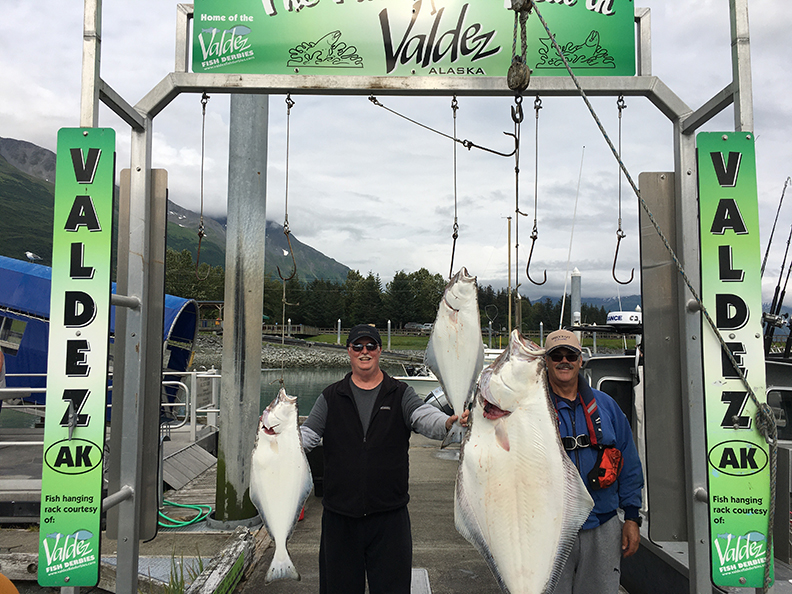
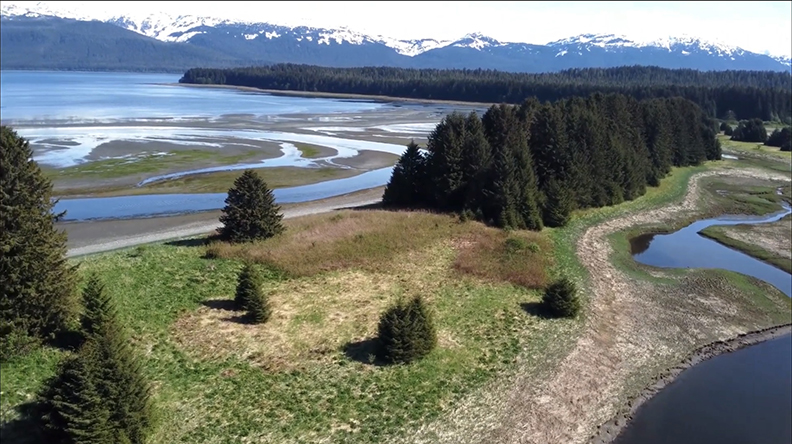
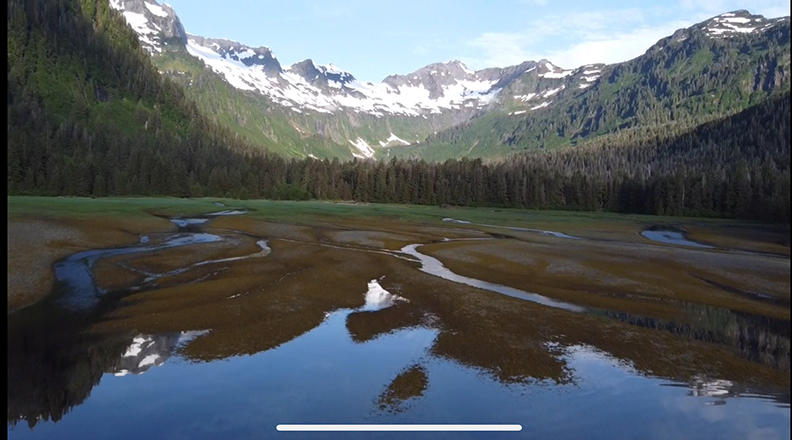
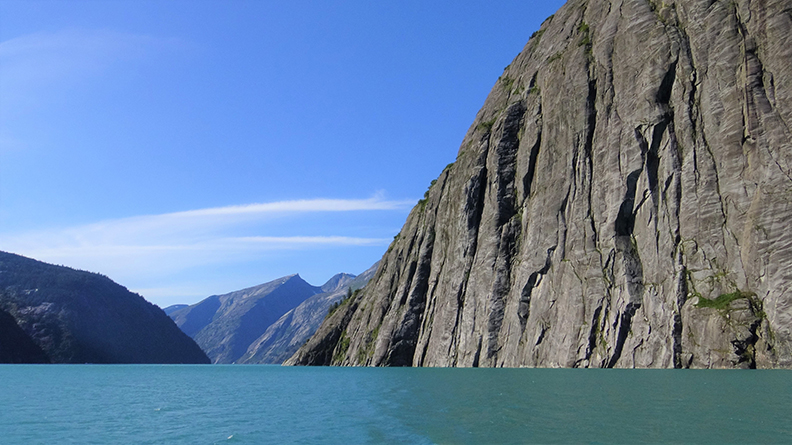
I confess I’ve never sailed in the Arctic or the Northwest Passage. I’ve been north of the Arctic Circle in a car during a camping trip and captained a 44’ Kadey Krogen trawler on a delivery to Valdez, Alaska, which sits at latitude 61, but I’ve never had the desire to shovel snow off the foredeck! I’ve crewed on sailboats in Mexico and done deliveries down the U.S. west coast, but much of my sailing has taken place in the vast and deep fjords of Southeast Alaska, in what’s called the ‘Inside Passage’, which stretches some 1,000 nautical miles and contains 1,000 islands and 15,000 miles of shoreline, making up the largest intact temperate rainforest in the world, called the Tongass National Rainforest. Just inland, the Juneau Ice Field stretches 100 miles from north to south and is an impressive 40 miles wide, making it one of the largest non-polar snow and ice masses in the world. To literally cap this off is the Coast Mountains range, 1,000 miles long, 300 miles wide, extending from southwest Yukon territory through southeast Alaska and into British Columbia.
Impressed yet? How about this: due to the cooling effect of the Juneau Ice Field, outfall ‘katabatic winds’ (locally known as Taku Winds) can reach 100 knots in the winter because the cold conditions compress the air on the icefield and it literally falls into and through the fjords. Typically, the fastest katabatic winds in populated waters are around 60 mph, and I’ve seen them blow through our harbors in Juneau, Alaska, dropping the wind chill well below zero.
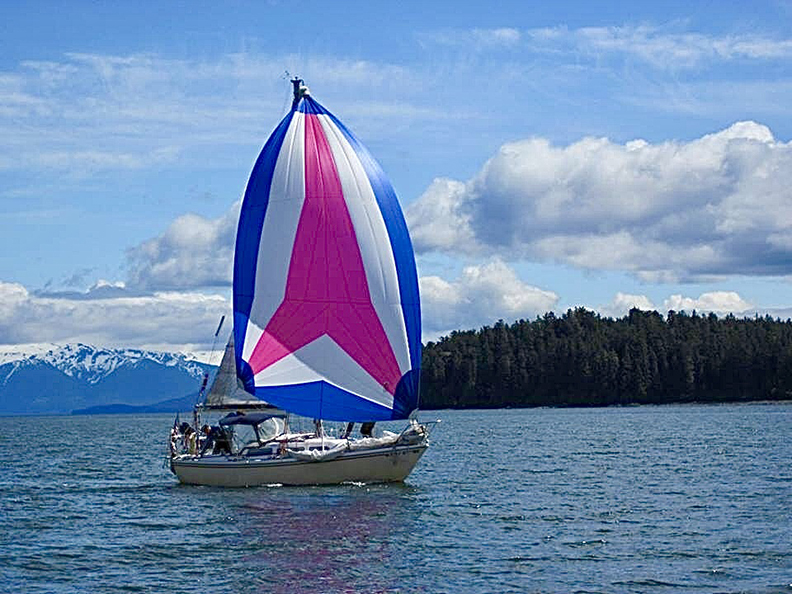
Against this ominous backdrop is some world-class sailing and sightseeing. In 2024, I crewed on a Hunter 460, delivering it from Ketchikan, Alaska, to Port Townsend, Washington, and we stayed on the outside in following winds ranging from 20-35 knots, making 500 miles in 4 days, doing 120-150 miles a day, all downwind! But that is the exception rather than the rule. In the Inside Passage, the winds are typically from the southeast if it’s raining or from the northwest if you’re in fair weather, but unlike the trade winds, which are consistent in both speed and direction, Inside Passage winds are typically all…or nothing. Or very little. I’ve seen days with 15 knots of wind from either the NW or the SE and fair weather but that’s the exception at times. It’s said that if you can sail the Inside Passage, you can sail anywhere.
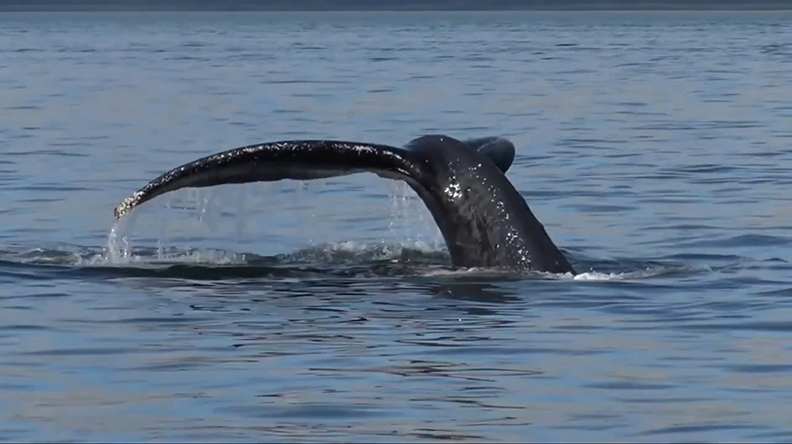
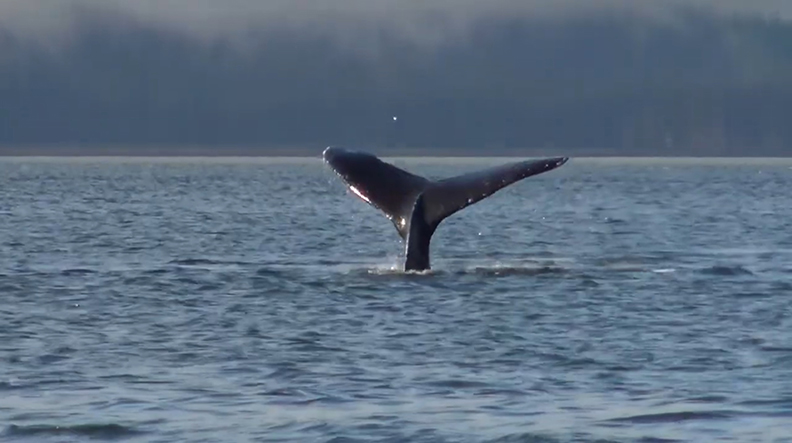
During summer months, hundreds of humpback whales flock to these nutrient-rich northern waters in search of herring. At times, you’ll see them gathered in groups of 5 or more but on special occasions, I’ve seen upwards of 30 humpback whales in what’s known as a ‘super group’ and that’s a special occasion! Turn off the engine, drop the sails, sit still in the water and enjoy the sight and especially the sound. If you’ve never heard or seen these amazing cetaceans spout when they come up for air, you’re in for an audible and visual treat. The mist they expel lofts high into the air and the noise is akin to someone blowing through a snorkel after holding their breath for too long.
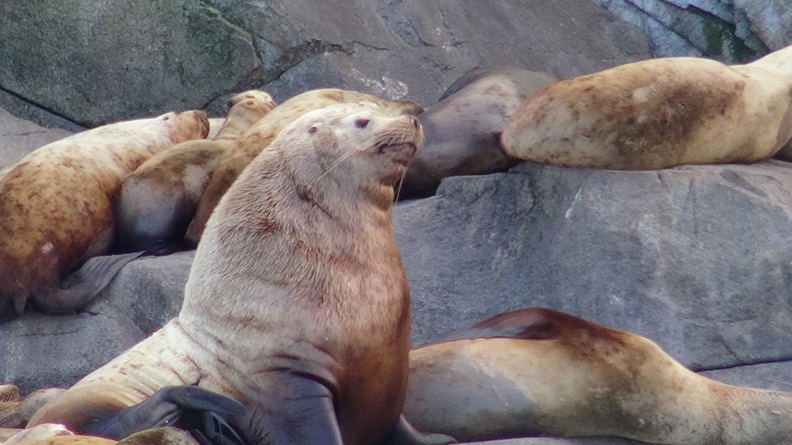
Less often seen are orcas, porpoise (both Dall’s and harbor porpoise), sea lions, seals, black and brown bears, deer, wolves, moose, sea and river otters (which are making an amazing comeback), and sea birds too numerous to mention. I’ve seen orca pods of 10 individuals, twice seen over 200 sea lions at their haul-out spots (they’re raucous animals), had Dall’s porpoise purposefully splash me with water, had to dodge sea otters all day long, been within 3’ of a live wild moose, looked whales in the eye and heard them vocalizing underwater as it reverberated through the boat’s hull, seen wolves walking on shore, been sniffed by a brown bear and watched them catch salmon in creeks and rivers. Alaska is a wildlife bonanza!
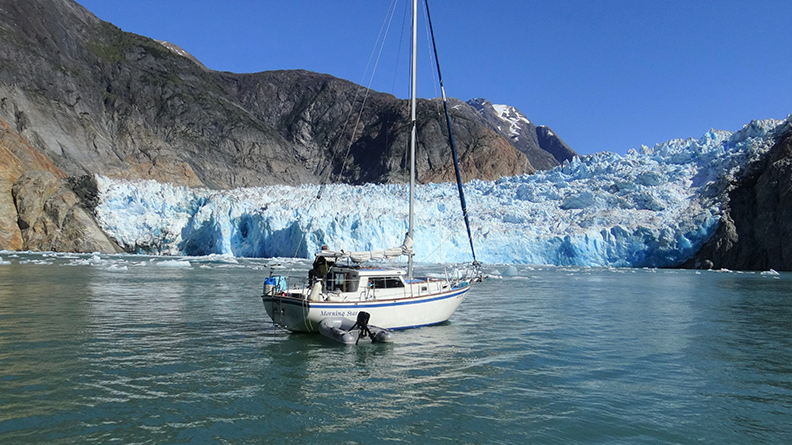
My personal recommendations for doing the Inside Passage are to do it in a boat of at least 36’, which should handle both coastal and inside water conditions. Tuck in when the weather is bad, go into larger bodies of water when the weather improves. Time your tides very carefully because they can change by 20’. Get good at anchoring. Visit every hot spring and old cannery you can (Google them). Lots of history there. Keep an eye out for logs, especially in Queen Charlotte Sound. Visit Glacier Bay (permits might be required) but plan on that taking a week. Visit as many tide water glaciers in fjords as possible. Most of them will require 4-8 hours to reach so plan anchorages accordingly. Take along very good camera gear and drones. You’ll need everything from puffer down jackets, to shorts and sandals. Buy really good offshore or coastal raingear and waterproof boots. Have a reliable heat source on your boat. Dinghy wheels help when going ashore. Respect the native culture and listen to the locals when they give you advise, because if there’s one thing I’ve learned while sailing in the largest state in the U.S. it’s that ‘the higher the latitude, the bigger the attitude!