

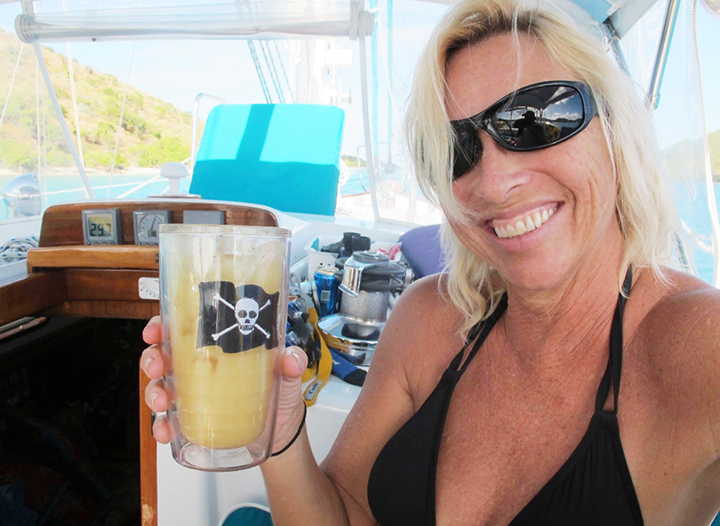
You already know you’re supposed to drink water. Thanks for that, every doctor, wellness blog, and person who’s ever watched you hold a coffee cup for three hours. But here’s the thing — in the tropics, hydration is a different game entirely. The heat, the humidity, the fact that you’re sweating before you even step outside — it all means your body is working harder than it ever did back home, and a bottle of water alone isn’t going to cut it.
Let’s start with electrolytes, because they matter more than most people realize. When you sweat, you’re not just losing water — you’re losing sodium, potassium, magnesium, and other minerals your body depends on to function. Drinking plain water actually dilutes what’s left in your system, which is why some people in hot climates feel worse the more they drink. Coconut water is one of the best natural sources of electrolytes you’ll find, and the tropics happen to be full of it. A fresh coconut from a roadside vendor does more for your hydration than a sports drink loaded with sugar and things you can’t pronounce.
On that note — I’ve been loving doTERRA’s Recharge electrolytes lately. Two flavors: lemon lime, which is lovely, and wild strawberry, which is my personal favorite and honestly reason enough to stay hydrated. If you’re interested in getting your hands on some, shoot me an email at kim@kimhessyoga.com and I’ll point you in the right direction.
Food plays a much bigger role than most people expect, too. Fruits like watermelon, pineapple, papaya, and cucumber are made up of mostly water, and eating them regularly is essentially drinking in disguise — the more enjoyable kind. Many traditional tropical diets were built around exactly this principle, long before anyone was designing hydration apps or selling electrolyte powder. Turns out local people figured out how to live in the heat without needing a subscription.
Timing is everything. The hottest part of the day — typically between 11am and 3pm — is when your body works hardest to cool itself down, meaning fluid loss spikes. Resting during those hours isn’t laziness, it’s strategy. Drink more in the morning before the heat peaks, and again in the late afternoon as things cool off. If you wait until you’re thirsty, you’re already behind — thirst is your body’s polite way of telling you it’s been asking for a while.
Alcohol and caffeine both accelerate dehydration, which is worth keeping in mind when you’re sitting on a beach with a cold beer in your hand. Nobody is saying don’t — this is the tropics, not a monastery — but matching each drink with a glass of water is a reasonable compromise that your head will thank you for in the morning.
Finally, pay attention to the color of your urine. Pale yellow means you’re doing fine. Anything darker is a gentle nudge. Almost clear can mean you’ve overcorrected. It’s an unglamorous gauge, but it’s honest and it’s free.
Hydration in the tropics isn’t complicated — it just asks a little more of you than usual. Give your body what it actually needs, and it’ll let you enjoy the heat instead of suffering through it.
P.S. — If you’re cruising and want to keep your body AND your yoga practice feeling good on the water, the revised edition of Yoga Onboard is coming soon and available for pre-sale right now. I put a lot of love into this update and think you’re going to enjoy it. Grab your copy here: khyhealthwellness.
EMAIL ME AT: Kim@KimHessYoga.com