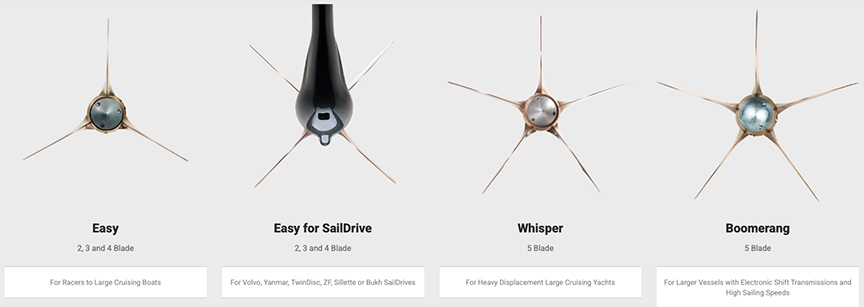

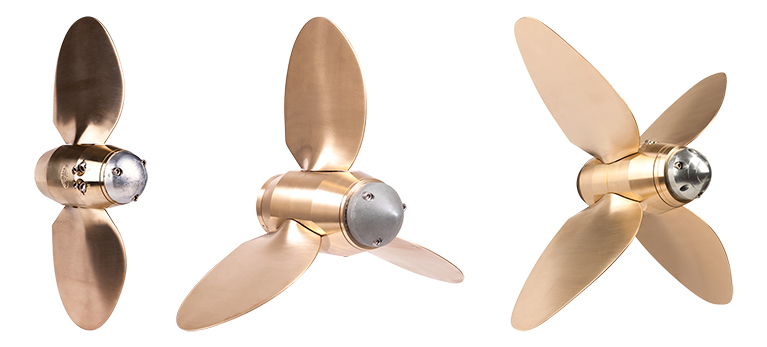
Every sailor has a list of things they wish they’d done sooner. For some it’s installing a windlass before their shoulders gave out. For others it’s finally buying decent ground tackle. And for a whole lot of cruising sailors, including myself, somewhere near the top of that list is replacing the old fixed prop with a feathering propeller.
It isn’t the kind of upgrade your dock neighbors immediately notice. Nobody walks down the dock admiring your propeller. But leave the marina, shut down the diesel, trim the sails, and suddenly you understand why experienced cruisers keep talking about them.
That’s where Max-Prop has earned its reputation.
They’ve been building feathering propellers since the early 1970s, long before “performance cruising” became the latest buzzword. More than 50,000 of them are now pushing sailboats around every ocean on the planet, and they didn’t get there because of flashy advertising. They got there because sailors tend to trust equipment that keeps working after thousands of miles and hundreds of anchorages.
Sailing Should Feel Like Sailing
A fixed propeller is a little like towing a bucket behind the boat. It doesn’t seem like much until you finally get rid of it.
When the engine is shut down, the blades on a Max-Prop rotate into a feathered position that presents very little resistance to the water. Less drag means the boat accelerates easier, carries way better in light air, and generally feels more alive.
The actual improvement depends on the boat, the shaft angle, and the number of blades, but it’s common to see noticeable gains under sail compared to a fixed prop. Anyone who’s spent an afternoon trying to coax another half-knot out of the boat can appreciate that.
Forward is important, but reverse is where you earn your rep!
Every sailor eventually finds themselves backing into a crowded marina with an audience. That’s usually when you discover what your propeller is really made of.
Most fixed props are designed to work efficiently in forward. Put them in reverse and everything changes. The trailing edge becomes the leading edge, efficiency drops, and the boat suddenly develops a mind of its own.
A Max-Prop doesn’t have that problem.
The blades rotate so they’re using the proper leading edge in both forward and reverse. The result is dramatically better backing power, improved control, and much more predictable handling when maneuvering in close quarters.
Instead of hoping the boat responds, you can usually count on it.
No Waiting Around
Some feathering and folding propellers depend on centrifugal force to swing their blades open. That works fine once they’re moving, but it can introduce a delay when you suddenly need reverse.
Max-Prop uses an internal gear system driven by shaft torque, so the blades move almost immediately into the proper position whether you’re shifting into forward or reverse.
When you’re approaching a fuel dock with a crosswind and expensive fiberglass all around you, immediate response isn’t just convenient. It’s comforting.
Fine-Tuning Instead of Starting Over
Every boat is different.
Engine size, reduction gear, displacement, shaft angle, and cruising load all affect how a propeller performs. That’s one reason Max-Prop allows the pitch to be adjusted after installation.
Instead of buying another prop if your engine isn’t reaching the proper RPM, you simply fine-tune the existing one. That’s a practical solution that saves both money and frustration.
Built to Last
Maintenance isn’t complicated.
Grease it annually. Replace the zinc anodes when they disappear. Go sailing.
The prop fits your existing shaft or saildrive, and because it’s built from quality castings and precision machining, it’s designed to survive years of serious cruising rather than a few weekends at the yacht club.
A Family Business
The story behind Max-Prop is refreshingly simple.
Italian engineer Maximillian Bianchi designed the original propeller for a racing sailor looking for less drag under sail without sacrificing power under engine. It solved a real problem, and sailors noticed.
As demand grew, Bianchi bought his own foundry to control the quality of every casting. Later came CNC machining, precision assembly, and careful inspection. Today the company remains family-run, with the same attention to detail that built its reputation decades ago.
That’s becoming rare these days.
Why Cruisers Keep Coming Back
There are plenty of marine products that promise miracles. Most of them end up forgotten in a locker or replaced a few seasons later.
A good propeller isn’t glamorous. You don’t spend much time looking at it. But every departure, every arrival, every light-air afternoon, and every tricky docking maneuver reminds you it’s down there quietly doing its job.
That’s probably the highest compliment you can pay any piece of cruising gear.
The best equipment isn’t the stuff you brag about at the yacht club. It’s the gear you stop thinking about because it simply works.
And after more than fifty years on boats crossing oceans, winning races, and carrying cruising families to distant anchorages, that’s exactly the reputation Max-Prop has earned.