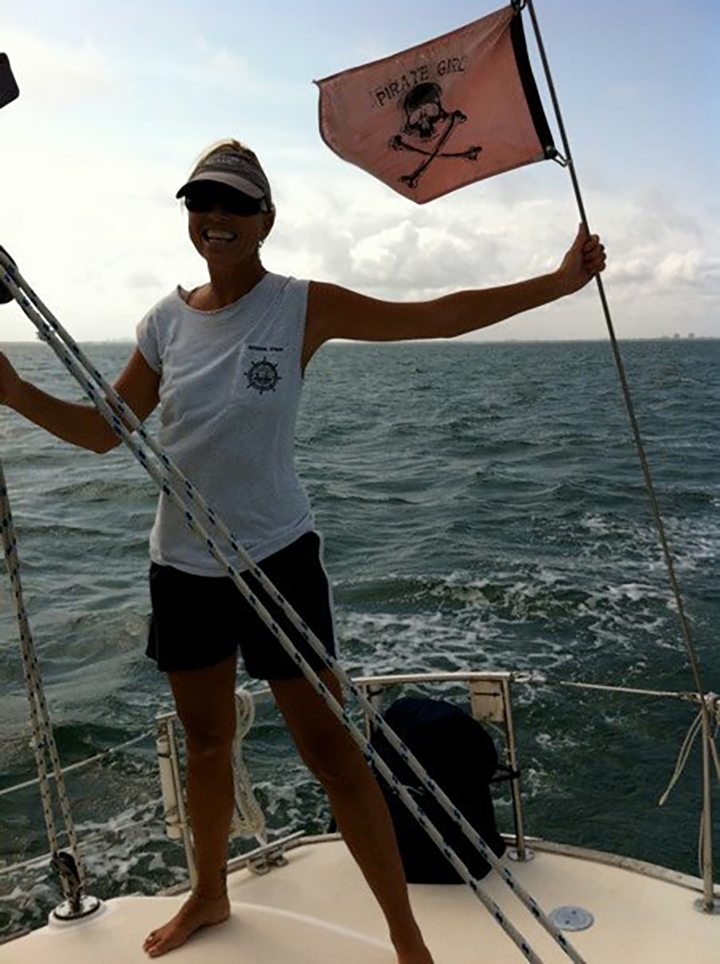

You traded your commute for a cockpit, your office for an anchorage, and your mortgage for a mooring fee. Life aboard was supposed to be the antidote to all of it — the deadlines, the noise, the relentless pace. And in many ways, it is. But here’s the thing nobody puts in the brochure: stress didn’t stay behind when you left the dock. It just changed its clothes.
And if you’re working remotely from the boat — which, let’s be honest, a lot of us are — you’ve got both worlds stacking up on you at once. The squall is rolling in, the Wi-Fi is dropping, and your 2pm call isn’t going to reschedule itself.
Instead of worrying about your quarterly review, you’re watching a weather window close. Instead of navigating office politics, you’re navigating a tricky inlet in fading light. The stressors are real, they’re just wearing flip flops now.
And your body? It doesn’t know the difference.
What Chronic Stress Actually Does to You
Stress isn’t just a feeling — it’s a full-body event. When your nervous system perceives a threat (real or imagined, squall line or difficult anchorage neighbor), it triggers a cascade of hormones: cortisol, adrenaline, the whole crew. Short term, this is useful. Long term, it becomes the problem.
Chronic stress quietly dismantles your health from the inside out. Physically, it raises blood pressure, disrupts sleep, tanks your immune system, and tightens everything from your jaw to your hip flexors. Mentally, it erodes focus and fuels anxiety. Emotionally, it chips away at patience, connection, and your capacity for joy — which is a terrible thing to lose when you’re literally anchored in paradise.
The tricky part about life afloat is that the beauty of your surroundings can mask how wound up you actually are. You can be floating in turquoise water and still be running on fumes.
Using What’s Already Around You
The good news is that the liveaboard life comes pre-loaded with some of the best stress medicine on the planet. You just have to be intentional about it.
Get in the water. Swimming and snorkeling aren’t just recreation — immersion in water has a measurable calming effect on the nervous system. Let the ocean do its thing.
Get on land. Walking, exploring, feeling solid ground beneath your feet. It grounds you literally and figuratively. The change of terrain does something for the mind that staying aboard can’t.
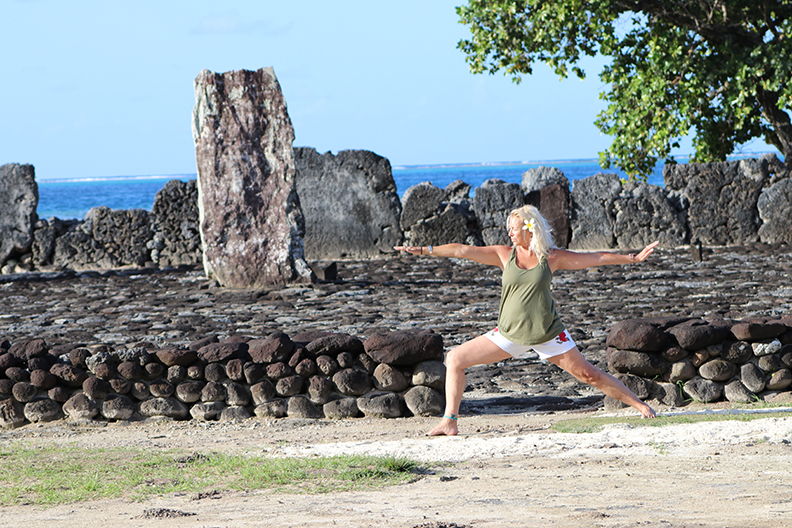
Move and breathe with purpose. Yoga and breathwork are tools, not trends. Even ten minutes of intentional movement or a few rounds of slow, controlled breathing can shift your nervous system out of high alert and back into something resembling calm.
Sit still. Meditation doesn’t require a cushion or a monastery. It requires a few minutes and a willingness to stop doing. On a boat, with water sounds and open sky? You have no excuse.
Being mindful of stress — noticing it, naming it, not letting it run the boat — is what separates a sustainable life offshore from one that slowly wears you down.
The sea will bring what it brings. You get to choose how you meet it.
I’d love to hear from you on this subject. Email me at Kim@KimHessYoga.com
P.S. — If you want more tools for living and moving well on the water, my book Yoga Onboard was made for exactly this. Revised edition available for pre-sell now. https://